Fuel Oils
Fuel oils are a group of refined petroleum products used primarily for heating, powering engines, and generating electricity. They are derived from the distillation and refining of crude oil and are composed of various hydrocarbons, including alkanes, cycloalkanes, and aromatics. Fuel oils vary in density, viscosity, and application, ranging from lighter oils similar to kerosene to heavier residual oils used in industrial and marine applications. Experience the reliability and versatility of fuel oil with GULF INTERNATIONAL. Whether you’re powering your business, or navigating the seas, trust us to fuel your success with energy solutions that stand the test of time. Here’s a comprehensive overview:
Characteristics of Fuel Oils
- Composition: Primarily composed of hydrocarbons with varying amounts of sulfur, nitrogen, and other compounds.
- Density and Viscosity: Fuel oils range from lighter, less viscous oils to heavier, more viscous types.
- Color: Typically range from light yellow to dark brown or black, depending on the type and grade.
We provide the below-mentioned types of FUEL OILS –
Low Sulphur Heavy Stock (LSHS)
Low Sulphur Heavy Stock (LSHS) is a type of residual fuel oil that has been processed to have a lower sulfur content compared to traditional heavy fuel oils. It is used primarily in industrial applications, power generation, and marine engines where the reduction of sulfur emissions is a regulatory or environmental concern. Here’s a detailed overview of LSHS:
Characteristics of Low Sulphur Heavy Stock (LSHS)
- Sulfur Content: Typically contains around 1% sulfur or less, which is significantly lower than standard heavy fuel oils that can have sulfur content up to 3.5% or higher.
- Density and Viscosity: LSHS is a high-viscosity, high-density fuel oil. It needs to be heated to remain fluid for handling and combustion.
- Color: Usually dark brown to black, similar to other heavy fuel oils.
Low Sulphur Heavy Stock (LSHS) is an environmentally friendlier alternative to traditional heavy fuel oils, offering significant reductions in sulfur emissions. Its primary applications in power generation, industrial heating, and marine transportation make it a crucial component in efforts to meet stringent environmental regulations and improve air quality. Understanding the properties, benefits, and handling requirements of LSHS helps industries and businesses make informed decisions about fuel usage and compliance with environmental standards.

Low Sulphur Fuel Oil (LSFO)
Low Sulphur Fuel Oil (LSFO) is a type of fuel oil that has been refined to have a significantly lower sulfur content compared to conventional heavy fuel oils. It is primarily used in applications where regulations limit sulfur emissions, such as in marine transportation, power generation, and industrial heating. Here’s an in-depth overview of LSFO:
Characteristics of Low Sulphur Fuel Oil (LSFO)
- Sulfur Content: Typically contains 0.5% sulfur by weight or less, in compliance with international and regional sulfur emission regulations.
- Density and Viscosity: Similar to other fuel oils, LSFO can vary in density and viscosity, ranging from lighter distillate types to heavier residual types. It often requires heating for optimal handling and combustion.
- Color: Usually dark brown to black, similar to other types of fuel oil.
Low Sulphur Fuel Oil (LSFO) is a crucial component in reducing sulfur emissions from various industrial and transportation applications. By complying with stringent environmental regulations, LSFO helps mitigate the adverse effects of air pollution, contributing to better air quality and public health. Understanding its characteristics, benefits, and handling requirements enables industries to effectively use LSFO while adhering to regulatory standards and environmental goals.

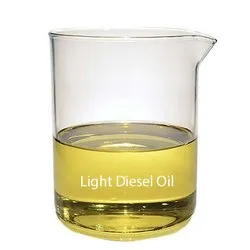
Light Diesel Oil (LDO)
Light Diesel Oil (LDO) is a type of fuel oil that is lighter and less viscous than heavy fuel oil but heavier and more viscous than regular diesel. It is derived from the fractional distillation of crude oil and is used in a variety of industrial and agricultural applications. Here’s a detailed overview of Light Diesel Oil (LDO):
Characteristics of Light Diesel Oil (LDO)
- Composition: LDO is composed mainly of hydrocarbons, including paraffins, naphthenes, and aromatics. It may also contain small amounts of sulfur and other compounds.
- Density and Viscosity: LDO is less dense and less viscous than heavy fuel oil, making it easier to handle and burn in certain types of engines and equipment.
- Flash Point: Typically has a higher flash point than regular diesel, making it safer to store and handle under certain conditions.
Light Diesel Oil (LDO) is a versatile and cost-effective fuel used in various industrial, agricultural, and backup power applications. While it offers economic benefits and ease of use, it also presents challenges related to emissions and environmental impact. Proper handling, storage, and adherence to regulatory standards are essential for its safe and efficient use. Understanding the characteristics and applications of LDO helps industries and businesses make informed decisions about its use in their operations.
Fuel Oil (FO)
Fuel oil is a refined petroleum product used primarily for heating, powering engines, and generating electricity. It is a fraction obtained from crude oil during the refining process and encompasses a range of heavier oils. Here’s a detailed overview of fuel oil:
Characteristics of Fuel Oil
- Composition: Fuel oil consists of a complex mixture of hydrocarbons, primarily alkanes, cycloalkanes, and aromatic hydrocarbons. It also contains trace amounts of sulfur, nitrogen, and other compounds.
- Density and Viscosity: Fuel oil is denser and more viscous than lighter fuels like gasoline or diesel. Its properties can vary widely depending on the grade and specific type of fuel oil.
- Color: Typically dark brown or black, though this can vary based on the refining process and additives.
Fuel oil is a crucial energy source with diverse applications in heating, power generation, and transportation. While it offers high energy density and versatility, it also poses environmental challenges and requires careful management. Understanding the types, uses, and characteristics of fuel oil helps in selecting the appropriate grade for specific applications and managing its impact on the environment.

Industrial Oils
Industrial oil refers to a broad category of oils used in various industrial applications to lubricate, cool, protect, and enhance the performance of machinery, equipment, and processes. These oils are formulated to meet specific requirements depending on their intended use, such as lubrication, hydraulic power transmission, metalworking, and heat transfer. Here’s a detailed overview of industrial oil:
Characteristics of Industrial Oils
- Viscosity: Tailored to the specific needs of the application, ranging from light to heavy.
- Additives: May include antioxidants, anti-wear agents, corrosion inhibitors, and detergents to enhance performance and protect machinery.
- Thermal Stability: Designed to maintain performance under varying temperature conditions.
- Oxidation Resistance: Formulated to resist chemical breakdown and sludge formation, ensuring longer oil life and reduced maintenance.
Industrial oils are critical components in maintaining the performance, efficiency, and longevity of industrial machinery and processes. They are formulated to meet specific requirements for lubrication, cooling, protection, and power transmission across a wide range of applications. Proper selection, use, and management of industrial oils are essential for optimizing industrial operations and minimizing environmental impact.

Ready to Grow Your Business?
Fill in the undermentioned Form